
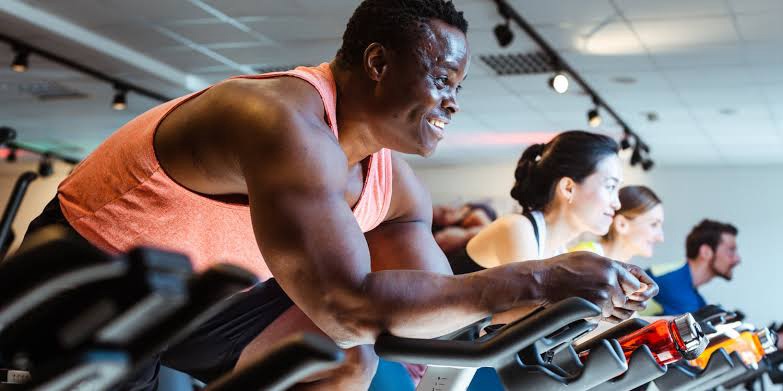

In recent years, the fitness industry has experienced a significant transformation, driven by technological advancements and a growing demand for engaging workout experiences. One of the most innovative approaches to enhancing user motivation and adherence to fitness routines is the concept of gamification. By integrating game-like elements into workout apps, fitness companies are creating immersive experiences that encourage users to achieve their fitness goals while enjoying the journey.
Understanding Gamification
Gamification involves incorporating game design elements, such as points, rewards, challenges, and leaderboards, into non-game contexts. In the realm of fitness, this means using these elements to make workouts more enjoyable, motivating, and interactive. The underlying principle is simple: when users feel like they are playing a game, they are more likely to remain engaged and committed to their fitness journey.
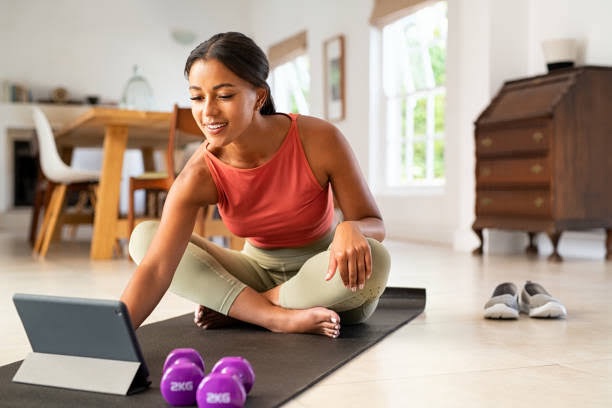
The effectiveness of gamification can be attributed to several psychological factors. For instance, the concept of immediate rewards—such as earning points or badges for completing workouts—can trigger the release of dopamine, a neurotransmitter associated with pleasure and motivation. Additionally, social competition and collaboration foster a sense of community, encouraging users to push themselves further.
The Rise of Gamified Fitness Apps
The rise of gamified fitness apps has been propelled by the increasing reliance on technology for personal health and fitness. Many popular applications, such as Strava, MyFitnessPal, and Fitbit, have successfully integrated gamification elements, allowing users to track their progress, set goals, and compete with friends. These apps often feature challenges, leaderboards, and achievements that motivate users to improve their performance.
For instance, Strava’s “Segment” feature allows users to compete against others on specific portions of a run or ride, turning an ordinary workout into a competitive experience. This sense of competition can motivate users to push their limits and achieve personal bests. Similarly, Fitbit incorporates challenges where users can invite friends to compete in step counts or active minutes, creating a friendly rivalry that enhances motivation.
Engaging Users Through Challenges and Rewards
One of the most effective gamification strategies is the use of challenges and rewards. Fitness apps often design challenges that encourage users to complete specific workouts, reach step goals, or engage in various physical activities. By providing tangible rewards, such as badges, virtual trophies, or even discounts on fitness products, these apps enhance user engagement and commitment.
Challenges can be structured in various ways, such as daily, weekly, or monthly objectives. For example, users might participate in a 30-day fitness challenge, where they are prompted to complete a specific workout each day. As they complete each day’s task, they earn points or rewards, which keeps them motivated and invested in their progress.
Building Community and Social Engagement
Gamification not only motivates individuals but also fosters a sense of community among users. Many fitness apps incorporate social features that allow users to connect, share their achievements, and support one another. This social aspect can significantly enhance motivation, as individuals are more likely to stick to their fitness routines when they feel part of a larger community.
Social challenges, where users can compete with friends or participate in group activities, are particularly effective. For instance, apps like Zombies, Run! turn running into an immersive experience by placing users in a storyline where they must escape from virtual zombies while completing their workout. The narrative element, combined with the social competition, creates an engaging and enjoyable fitness experience.
Overcoming Challenges and Criticisms
Despite the benefits of gamification, there are challenges and criticisms associated with this approach. Some experts argue that not all users respond positively to game-like elements; for some, the pressure to compete may lead to stress or burnout. Additionally, the focus on extrinsic rewards—such as points and badges—might detract from intrinsic motivation, where individuals exercise for personal fulfillment and well-being.
To address these concerns, fitness app developers must strike a balance between gamification and the intrinsic aspects of fitness. By emphasizing personal growth, self-improvement, and enjoyment in physical activity, apps can create a more holistic approach to fitness that resonates with a broader audience.
The Future of Gamified Fitness
The future of gamification in fitness looks promising, with continued advancements in technology and user experience. Virtual reality (VR) and augmented reality (AR) are set to play significant roles in enhancing the gamified fitness experience. For example, VR fitness games allow users to immerse themselves in virtual environments, making workouts more interactive and entertaining.
As the fitness landscape evolves, the incorporation of artificial intelligence (AI) will further personalize the gamification experience. AI can analyze user data to provide tailored challenges and rewards, ensuring that each user’s experience is unique and engaging.
Conclusion
The gamification of fitness has revolutionized how individuals engage with their workout routines, turning exercise into an enjoyable and motivating experience. By integrating game-like elements into workout apps, fitness companies are helping users stay committed to their fitness goals while fostering a sense of community.
As technology continues to advance, the potential for gamification in fitness is boundless. By prioritizing user engagement, personal growth, and enjoyment, gamified fitness apps are set to play a pivotal role in the future of health and wellness. For many, these innovative approaches represent a new frontier in achieving and maintaining fitness goals, transforming the often daunting journey into an exciting game worth playing.


