
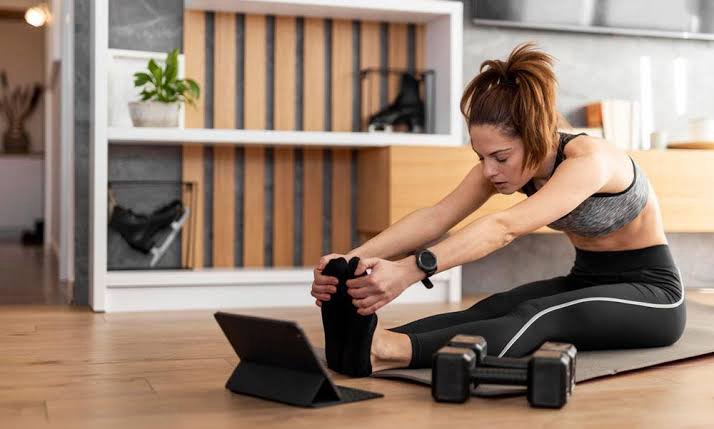

In an era where fitness enthusiasts are increasingly focused on achieving their personal best, the risk of injury remains a significant concern. As participation in sports and exercise programs continues to grow, so does the demand for effective injury prevention technologies. From innovative apps to wearable devices, a range of tools is now available to help individuals reduce their risk of workout-related injuries, allowing them to pursue their fitness goals safely.
The Rise of Wearable Technology
Wearable technology has made significant strides in recent years, providing real-time data to users about their bodies during workouts. Devices like smartwatches and fitness trackers now come equipped with advanced sensors that monitor various metrics, including heart rate, movement patterns, and muscle fatigue. These devices can analyze an individual’s performance and detect signs of overexertion or improper form, which are often precursors to injury.
For example, the Whoop Strap tracks strain and recovery, providing users with personalized insights on how hard they should push themselves during workouts. By understanding when to take a break, users can prevent injuries caused by overtraining. Moreover, companies like Catapult offer wearable technology specifically designed for athletes, allowing coaches to monitor performance metrics and adjust training programs accordingly.

Apps for Injury Prevention
In addition to wearables, a growing number of mobile applications are dedicated to injury prevention. These apps often feature customized workout plans, instructional videos, and reminders for proper warm-up and cool-down routines. For instance, apps like “PhysiApp” allow users to access physiotherapist-designed exercise programs tailored to their specific needs, helping them avoid common pitfalls associated with training.
Another noteworthy app is “FitBod,” which adapts workouts based on the user’s available equipment and recovery state. By considering prior workouts and fatigue levels, FitBod ensures that users engage in balanced training, reducing the likelihood of injuries.
Virtual Coaching and AI Integration
Artificial intelligence (AI) is increasingly being integrated into fitness technology, offering personalized coaching and injury prevention strategies. AI-powered platforms can analyze an individual’s biomechanics through video analysis, providing real-time feedback on form and technique. This level of detail is crucial, as improper form is a leading cause of injury in various activities.
Platforms like “CoachAI” utilize advanced algorithms to assess a user’s movements and suggest adjustments. This feedback can help individuals correct their form before they develop bad habits or suffer injuries. Virtual coaching sessions, combined with AI analysis, make professional-level advice accessible to anyone, regardless of their fitness background.
Community and Education
Another key component of injury prevention is education. Many technology platforms now offer educational resources, including articles and videos that highlight the importance of proper technique, warm-ups, and recovery practices. By empowering users with knowledge, these platforms can reduce the number of workout-related injuries.
Communities formed around these apps and devices also foster a sense of accountability. Users can share their progress, challenges, and strategies for injury prevention, creating a supportive environment that encourages safe practices. Engaging with a community can motivate individuals to adhere to safety protocols and share tips on how to maintain physical health.
The Road Ahead
As technology continues to evolve, the tools available for injury prevention are likely to become more sophisticated. Future innovations may include enhanced wearable technology that provides even more detailed biometric data, as well as virtual reality (VR) applications that offer immersive training experiences focused on technique and safety.
While these technologies present exciting opportunities for fitness enthusiasts, it’s crucial to remember that they are not a substitute for professional guidance. Consulting with healthcare providers or certified trainers remains essential for personalized injury prevention strategies.
Conclusion
Injury prevention technologies are transforming how individuals approach their fitness journeys. By leveraging wearable devices, mobile apps, AI coaching, and community support, users can significantly reduce their risk of injury while pursuing their fitness goals. As these innovations continue to develop, they promise to make the world of fitness safer and more accessible for everyone. With the right tools and knowledge, individuals can focus on achieving their personal best without the fear of injury holding them back.


