

As the world increasingly turns its attention to sustainability, the fitness industry is responding with a wave of eco-friendly innovations in gym gear. From biodegradable yoga mats to equipment made from recycled materials, the shift towards sustainable fitness equipment is transforming how people exercise while prioritizing environmental responsibility. This movement reflects a broader trend where consumers are seeking products that align with their values, particularly in the wake of climate change concerns.
The Importance of Sustainable Fitness Equipment
The fitness industry, long criticized for its carbon footprint, is taking steps to mitigate environmental impacts. Traditional gym equipment often involves materials and manufacturing processes that contribute to pollution and waste. As more fitness enthusiasts become aware of these issues, they are demanding alternatives that are both effective and environmentally friendly.
Sustainable fitness equipment not only reduces waste and pollution but also promotes a healthier lifestyle by encouraging conscious consumerism. By choosing eco-friendly gear, individuals can feel good about their workout choices, knowing they contribute to a larger mission of protecting the planet.
Innovations in Eco-Friendly Gym Gear
Recycled Materials
One of the most significant trends in sustainable fitness equipment is the use of recycled materials. Manufacturers are increasingly creating products from plastics, metals, and other materials that would otherwise end up in landfills. For instance, several brands now produce yoga mats made from recycled rubber, which not only reduces waste but also provides excellent grip and durability.
Additionally, gym accessories such as resistance bands and foam rollers are being made from recycled materials. This shift not only helps reduce the carbon footprint of production but also creates high-quality equipment that performs just as well as traditional options.
Biodegradable Products
Another innovative approach is the development of biodegradable fitness gear. Companies are creating items such as yoga mats, towels, and water bottles that can decompose naturally at the end of their life cycle. This reduces the long-term impact of waste on the environment. Brands like Manduka have introduced biodegradable mats that break down without leaving harmful residues.
Energy-Generating Equipment
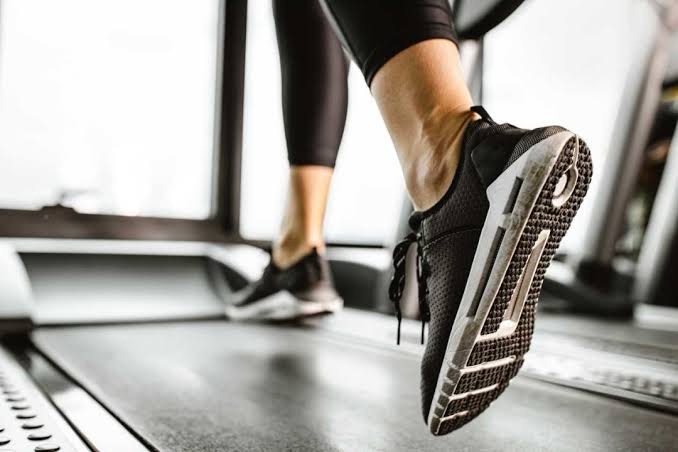
Some forward-thinking companies are also designing energy-generating gym equipment. Machines like stationary bikes and treadmills can be equipped with technology that converts human energy into electricity. This energy can then be used to power gym facilities, creating a self-sustaining environment. Not only does this innovation reduce reliance on non-renewable energy sources, but it also engages users by allowing them to see the direct impact of their workouts.
The Role of Fitness Centers
Many fitness centers are also embracing sustainability by investing in eco-friendly equipment and practices. Gyms are increasingly outfitting their facilities with sustainable gear, ranging from cardio machines made from recycled materials to flooring made from sustainable sources. Some are even implementing programs that reward members for using eco-friendly gear, encouraging a culture of sustainability within their communities.
Moreover, fitness centers are beginning to offer educational programs to inform members about the importance of sustainability in fitness. Workshops on how to choose eco-friendly products, as well as classes that incorporate sustainable practices, are becoming more common.
Consumer Demand and Trends
The rise of sustainable fitness equipment can be attributed in part to changing consumer preferences. Millennials and Gen Z, in particular, are more likely to support brands that prioritize sustainability. According to recent surveys, a significant percentage of consumers are willing to pay more for products that are environmentally friendly.
This shift in consumer demand has prompted brands to innovate and invest in sustainable practices. Companies that previously focused solely on performance are now incorporating eco-consciousness into their brand identities, recognizing that sustainability is a vital aspect of their appeal.
Challenges and Future Directions
While the trend towards sustainable fitness equipment is promising, it is not without challenges. The production of eco-friendly materials can sometimes be more expensive, leading to higher prices for consumers. Additionally, the supply chain for sustainable materials is not yet as robust as that for traditional materials, which can limit availability.
However, as consumer demand continues to grow, manufacturers are likely to invest more in sustainable practices and technologies. The fitness industry is on the brink of a revolution, where eco-friendly innovations become the norm rather than the exception.
Conclusion
Sustainable fitness equipment represents a significant shift in how individuals approach their workouts. By choosing eco-friendly gear, consumers can contribute to a healthier planet while still enjoying effective and high-quality fitness products. As the industry evolves, innovations in recycled materials, biodegradable products, and energy-generating equipment are leading the way towards a more sustainable future.
Fitness centers that embrace these changes and educate their members on the importance of sustainability will not only attract eco-conscious consumers but also foster a culture of responsibility within their communities. The future of fitness is not just about personal health but also about the health of the planet, and with the rise of sustainable fitness equipment, individuals can make a difference one workout at a time.


