
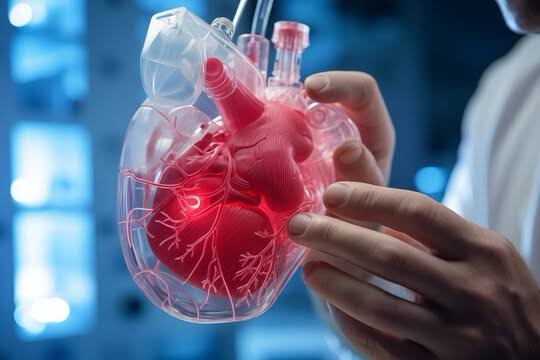

As medical science continues to advance at an unprecedented pace, the field of organ transplantation is undergoing a significant transformation with the development of artificial organs. These synthetic alternatives promise to address the critical shortage of donor organs, offering hope to thousands of patients suffering from organ failure. The progress in this field, driven by innovations in materials science, bioengineering, and 3D printing, is paving the way for a future where organ transplant waiting lists may become a relic of the past.
The Organ Shortage Crisis
Currently, the gap between the demand for organ transplants and the availability of suitable donor organs is alarming. According to the Organ Procurement and Transplantation Network (OPTN), over 100,000 individuals are on the transplant waiting list in the United States alone, with thousands dying each year due to the lack of available organs. Traditional organ transplantation faces numerous challenges, including organ rejection, lengthy waiting periods, and the ethical concerns surrounding organ donation. As a result, researchers are increasingly turning to artificial organs as a viable solution.
The Science Behind Artificial Organs
Artificial organs are designed to replicate the structure and function of natural organs, enabling them to perform essential biological processes. This can include everything from filtering blood in the case of artificial kidneys to pumping it in the case of artificial hearts. The key to success lies in the use of biocompatible materials that minimize rejection and inflammation when implanted in the body.
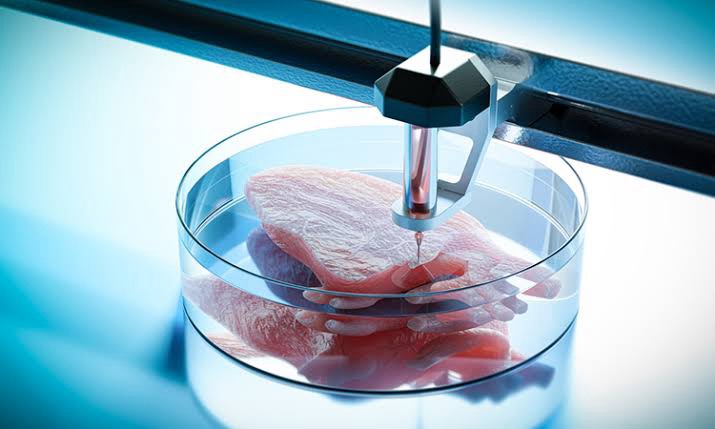
One promising approach involves the use of 3D printing technology to create complex organ structures that mimic the intricate designs of natural organs. Researchers can layer biocompatible materials to form scaffolds that promote cell growth and tissue regeneration. This technology has shown particular promise in developing synthetic hearts, kidneys, and even livers.
Recent Breakthroughs
1. 3D Printed Organs
Recent advances in 3D printing have led to the successful creation of synthetic organs that can be used in laboratory settings. In 2021, a team at the University of Maryland School of Medicine created a 3D-printed heart using human cells. While this heart is still in the experimental stage, it represents a significant step toward developing functional synthetic organs.
2. Bioengineered Kidneys
Another area of remarkable progress is the development of bioengineered kidneys. Researchers at the University of California, San Francisco, have made strides in creating a kidney that can filter blood and produce urine, effectively mimicking the functions of a natural kidney. In animal trials, these engineered kidneys showed promising results, suggesting they could one day be used in human patients.
3. Artificial Pancreas
The artificial pancreas is another significant advancement that combines traditional medical technology with innovations in artificial organ development. It is designed to monitor blood glucose levels and automatically deliver insulin to patients with diabetes. This technology has already entered clinical trials and shows great promise for enhancing the quality of life for diabetic patients.
Challenges and Considerations
Despite the exciting advancements in artificial organ technology, several challenges remain before these synthetic organs can be widely adopted in clinical practice. One of the most pressing issues is the need for further research and development to ensure the long-term safety and effectiveness of these organs. Additionally, ethical considerations regarding the use of artificial organs must be addressed, including issues of accessibility and equity in healthcare.
Another significant challenge is the body’s immune response. Although researchers are making progress in developing biocompatible materials, the risk of rejection remains a concern. Future research will need to focus on improving the integration of artificial organs within the body to minimize adverse reactions.
The Future of Artificial Organs
Looking ahead, the potential for artificial organs to revolutionize the field of transplantation is enormous. As technologies continue to advance, the prospect of creating fully functional synthetic organs that can seamlessly integrate into the human body becomes increasingly feasible. Researchers envision a future where patients no longer have to wait for donor organs, where artificial organs can be customized for individual patients, and where the risks of rejection are significantly reduced.
The convergence of technologies, including biotechnology, nanotechnology, and artificial intelligence, is also expected to enhance the capabilities of artificial organs. For instance, AI can play a role in monitoring the performance of artificial organs and making real-time adjustments to optimize their functionality.
Conclusion
The development of artificial organs represents a promising frontier in medicine, addressing a critical need in the field of organ transplantation. With ongoing research and technological advancements, the dream of synthetic organs becoming a mainstream solution for organ failure is within reach. As scientists continue to innovate, they bring us closer to a future where the phrase “waiting for an organ transplant” may no longer apply, ultimately transforming countless lives and offering hope to those in desperate need of life-saving interventions. The journey is still underway, but the potential of artificial organs to reshape the landscape of healthcare is undeniable.


