
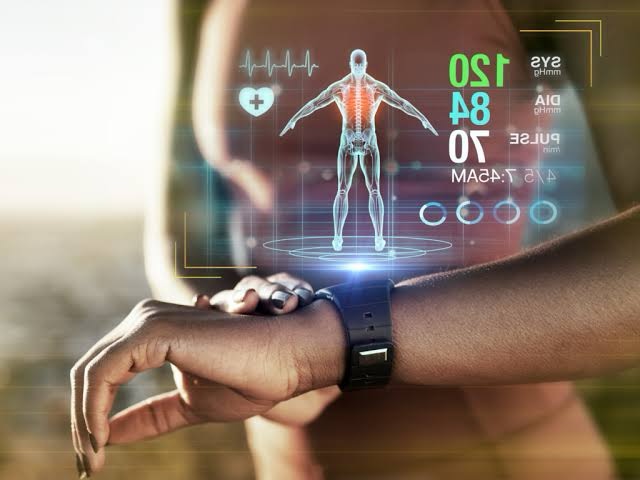

In the age of digital health innovation, biometric wearables are emerging as powerful tools for tracking personal health data and promoting wellness. These devices, which include smartwatches, fitness trackers, and specialized health monitors, are equipped with advanced sensors that capture a wide array of biometric data. As technology continues to evolve, the potential for these wearables to transform personal health management is becoming increasingly apparent.
Understanding Biometric Wearables
Biometric wearables are electronic devices designed to monitor and collect physiological and behavioral data from users. These devices typically feature sensors that track metrics such as heart rate, sleep patterns, body temperature, oxygen saturation, and physical activity levels. By continuously collecting data, these wearables provide users with insights into their health, helping them make informed decisions about their well-being.
The market for biometric wearables has witnessed explosive growth, with an increasing number of consumers embracing the technology. According to a report by Fortune Business Insights, the global wearable technology market is projected to reach $163 billion by 2026, driven by rising health awareness and advancements in sensor technology.
Enhanced Health Monitoring
One of the most significant benefits of biometric wearables is their ability to enhance health monitoring. These devices empower users to track their health metrics in real-time, offering a level of insight previously reserved for clinical settings. For instance, wearables can continuously monitor heart rate variability, which can be an indicator of stress and overall cardiovascular health.
Recent advancements have also enabled wearables to track more sophisticated health metrics, such as blood glucose levels and hydration status. For individuals with chronic conditions, such as diabetes, continuous glucose monitors can provide critical information that helps manage their condition more effectively.
Moreover, biometric wearables are proving invaluable in preventive health care. By encouraging users to maintain an active lifestyle and engage in regular physical activity, these devices can significantly reduce the risk of chronic diseases. The ability to set personalized fitness goals, track progress, and receive reminders can motivate users to adopt healthier habits.
The Role of Data Analytics
While collecting biometric data is essential, the real value lies in the analysis of that data. Many wearable devices come equipped with accompanying apps that utilize data analytics to offer personalized health insights. These apps can analyze trends over time, providing users with a clearer picture of their health and fitness levels.
For instance, if a user consistently shows elevated heart rates during workouts, the app may recommend adjusting their exercise intensity or incorporating rest days to prevent burnout. Similarly, by analyzing sleep data, users can identify patterns that may be impacting their rest and overall health.
Data analytics also plays a critical role in community health initiatives. Public health organizations can analyze aggregated data from wearable devices to identify trends in population health, track disease outbreaks, and assess the effectiveness of health interventions. This information can inform policy decisions and improve health outcomes on a larger scale.
Privacy and Security Concerns
Despite the many benefits of biometric wearables, there are significant privacy and security concerns associated with the collection and storage of personal health data. As users share sensitive information with their devices, the risk of data breaches and unauthorized access increases.
To address these concerns, manufacturers are implementing robust security measures, such as encryption and secure cloud storage, to protect user data. Additionally, many devices allow users to control their privacy settings, enabling them to decide what information is shared and with whom.
However, users must remain vigilant about their data privacy. Understanding the terms of service and privacy policies of wearable devices is essential to ensuring that personal information is not misused or shared without consent.
The Future of Biometric Wearables
Looking ahead, the future of biometric wearables appears bright. Innovations in sensor technology are leading to the development of smaller, more accurate, and multi-functional devices. For example, researchers are exploring the potential of skin-embedded sensors that can provide continuous health monitoring without the need for a wearable device.
Moreover, the integration of artificial intelligence (AI) with biometric wearables is poised to revolutionize health tracking. AI algorithms can analyze vast amounts of data to identify patterns and provide personalized recommendations, enabling users to take proactive steps towards improving their health.
The expansion of telehealth services further complements the potential of biometric wearables. As virtual health consultations become more common, healthcare providers can leverage data from wearables to gain insights into patients’ health in real-time. This synergy allows for more informed clinical decisions and enhances patient engagement in their care.
Conclusion
Biometric wearables are at the forefront of a health revolution, transforming how individuals track and manage their health data. With the ability to monitor a wide range of health metrics, provide personalized insights, and promote preventive care, these devices are empowering users to take control of their well-being.
As technology continues to advance, the future of biometric wearables promises even greater innovations that will enhance health monitoring and promote healthier lifestyles. By addressing privacy concerns and leveraging data analytics, biometric wearables are set to play a pivotal role in shaping the future of personal health management, paving the way for a healthier, more informed society.


