
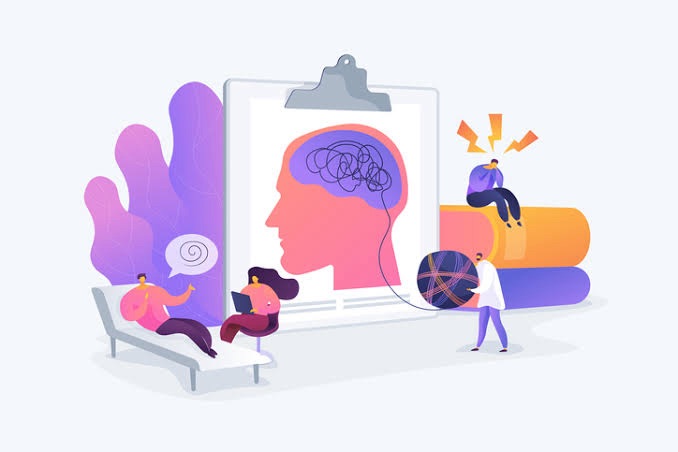

In recent years, mental health has gained unprecedented attention, leading to significant advancements in treatments for conditions like depression and anxiety. As society increasingly recognizes the importance of mental well-being, researchers and clinicians are developing innovative approaches to enhance care, improve outcomes, and reduce the stigma surrounding mental illness. This article explores some of the latest advancements in mental health treatments, offering hope and new possibilities for those affected by these pervasive conditions.
Understanding the Landscape of Depression and Anxiety
Depression and anxiety are among the most common mental health disorders globally. According to the World Health Organization (WHO), over 264 million people suffer from depression, while anxiety disorders affect more than 300 million individuals. These conditions can be debilitating, impacting every aspect of a person’s life, from relationships to employment. Traditional treatment methods, including psychotherapy and pharmacotherapy, have been effective for many, but they do not work for everyone. This reality has spurred the search for new, more effective treatment modalities.
Innovative Therapeutic Approaches
1. Psychedelic-Assisted Therapy
One of the most groundbreaking developments in recent mental health treatment is the resurgence of interest in psychedelics, such as psilocybin (found in magic mushrooms) and MDMA (commonly known as ecstasy). Research has shown that these substances can have profound effects on mood and perception, particularly in controlled therapeutic settings.
Studies conducted by institutions like Johns Hopkins University have demonstrated that psilocybin-assisted therapy can significantly reduce symptoms of depression and anxiety, particularly in patients with treatment-resistant depression. The therapy involves guided sessions where patients consume the substance while a trained therapist facilitates the experience. This approach aims to foster emotional breakthroughs and deep introspection, leading to lasting changes in mental health.
2. Transcranial Magnetic Stimulation (TMS)
Transcranial Magnetic Stimulation (TMS) is a non-invasive procedure that uses magnetic fields to stimulate nerve cells in the brain. It has emerged as an effective treatment for major depressive disorder, especially for individuals who have not responded to traditional therapies.
During a TMS session, magnetic pulses are delivered to specific areas of the brain associated with mood regulation. The procedure typically lasts about 30 minutes and requires multiple sessions. Clinical studies have shown that TMS can lead to significant reductions in depression symptoms, with some patients experiencing relief within weeks of starting treatment.
3. Digital Therapeutics
The rise of technology has paved the way for digital therapeutics—evidence-based therapeutic interventions delivered via software programs. These applications and platforms provide users with tools and resources to manage their mental health effectively.
For instance, apps like Woebot and Headspace use artificial intelligence to offer personalized cognitive behavioral therapy (CBT) techniques, mindfulness exercises, and mood tracking. Research suggests that these digital solutions can complement traditional therapy, making mental health care more accessible and less stigmatized.
Holistic and Integrative Approaches
1. Mindfulness-Based Stress Reduction (MBSR)
Mindfulness practices, including mindfulness-based stress reduction (MBSR), have gained traction as effective tools for managing anxiety and depression. MBSR programs teach participants to focus on the present moment and develop greater awareness of their thoughts and feelings.
Studies show that MBSR can lead to significant improvements in mental health, reducing symptoms of anxiety and depression while enhancing overall well-being. Many therapists now incorporate mindfulness techniques into their practice, empowering patients to manage their symptoms actively.
2. Nutritional Psychiatry
Emerging research suggests a strong link between diet and mental health, giving rise to the field of nutritional psychiatry. This approach emphasizes the role of nutrition in mental well-being and suggests that certain dietary patterns can influence mood and cognitive function.
Foods rich in omega-3 fatty acids, antioxidants, and vitamins are believed to promote brain health and may help alleviate symptoms of depression and anxiety. Mental health professionals are increasingly recognizing the importance of addressing dietary habits as part of a comprehensive treatment plan.
Challenges and Considerations
While these advancements in mental health treatments offer hope, there are challenges to consider. Access to care remains a significant barrier, with many individuals unable to access innovative therapies due to cost or availability. Additionally, the integration of new treatments into standard care requires ongoing research, training, and regulatory oversight.
There is also a need for more extensive studies to understand the long-term effects of novel therapies, especially those involving psychedelics. Ensuring that treatments are used safely and ethically is paramount as interest in these approaches grows.
The Future of Mental Health Treatment
The future of mental health treatment looks promising, with ongoing research and innovation paving the way for more effective and personalized care. As the stigma surrounding mental health continues to diminish, patients are increasingly empowered to seek help and explore various treatment options.
Collaboration between mental health professionals, researchers, and technology developers will be crucial in advancing care. Integrating traditional methods with new approaches can provide patients with comprehensive support tailored to their unique needs.
Conclusion
The advancements in mental health treatments for depression and anxiety signify a transformative era in mental health care. With innovative approaches like psychedelic-assisted therapy, TMS, digital therapeutics, and a focus on holistic well-being, individuals suffering from these conditions have more options than ever before. As research continues to unveil new insights, the hope for improved mental health outcomes grows, ultimately leading to healthier and more fulfilling lives for millions.


