
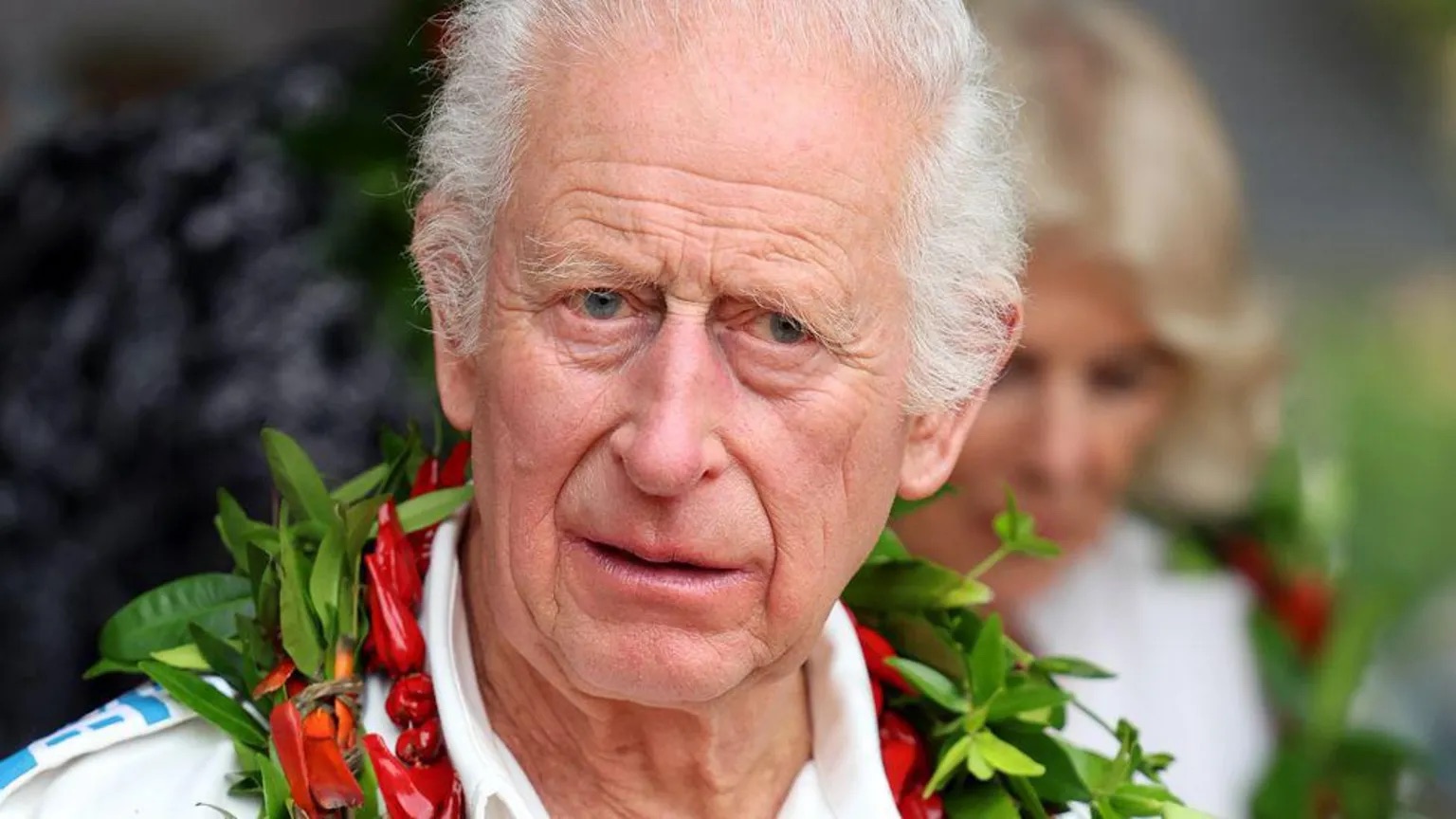

In a recent address to Commonwealth leaders gathered in Samoa, King Charles III acknowledged the “most painful aspects of our past” that continue to cast a shadow on the present, particularly regarding Britain’s historical ties to slavery and colonialism. His remarks come amid renewed calls for reparations and official apologies for the harms inflicted during centuries of the transatlantic slave trade—a legacy that has become an increasingly complex issue for the British monarchy.
These discussions are especially pertinent at the Commonwealth summit, where leaders from nations that were significantly impacted by slavery and colonialism converge. For many, the Commonwealth represents both the remnants of a painful history and the potential for shared values and progress. However, calls for accountability regarding the monarchy’s historic involvement in slavery have become unavoidable, posing a significant challenge for the Royal Family as it grapples with its own role in this legacy.
In recent years, there has been a growing expectation for the Royal Family to address these issues more directly. While some gestures have been made, such as acknowledging the suffering caused by slavery, critics argue that words alone are insufficient. Advocacy groups and some Commonwealth nations continue to press for formal apologies and reparative actions, seeing these as essential steps toward healing and acknowledgment.
For King Charles III, these questions represent an “occupational hazard,” given the monarchy’s enduring association with Britain’s colonial past. As he navigates this complex terrain, his approach may define his relationship with the Commonwealth, setting the tone for how historical injustices will be addressed—or remain unresolved—in the years to come.


