

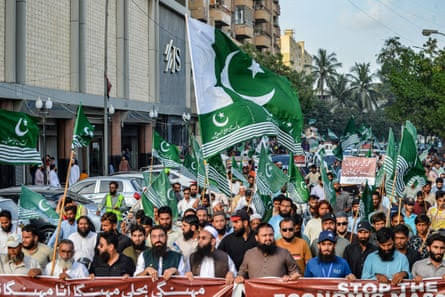
Pakistan is witnessing widespread unrest as protests over worsening economic conditions sweep across the country. Surging inflation, high unemployment, and a weakening currency have pushed millions into financial hardship, prompting citizens to take to the streets. What began as peaceful demonstrations has turned violent in some areas, leading to clashes with law enforcement and resulting in multiple fatalities.
The protests highlight the growing frustration of ordinary Pakistanis struggling to cope with skyrocketing prices for food, fuel, and electricity. Inflation has reached record levels, making basic necessities unaffordable for many families. Businesses are also feeling the strain, with increased operational costs forcing layoffs and closures. The crisis has deepened poverty and sparked widespread anger, with demonstrators demanding immediate government intervention to provide relief.
In cities and towns across the country, protesters have blocked roads, disrupted public transportation, and forced markets to close. These demonstrations have drawn participants from diverse backgrounds, including workers, students, and small business owners, all united in their dissatisfaction with the government’s handling of the economy. While many protests began peacefully, tensions have escalated in some regions, with confrontations between protesters and security forces leading to injuries and deaths.
The underlying cause of this unrest is Pakistan’s prolonged economic instability, exacerbated by recent austerity measures. The government, seeking to meet conditions set by the International Monetary Fund (IMF) for crucial loans, has introduced tax hikes and subsidy cuts. While these measures are intended to stabilize the economy, they have placed an additional burden on ordinary citizens, fueling resentment and skepticism about the government’s priorities.
Political divisions have further complicated the crisis. Opposition parties have seized on the protests as an opportunity to criticize the government’s economic policies and call for early elections. They argue that the current administration’s mismanagement and lack of accountability have worsened the situation. This political infighting has made it harder to forge a unified response to the crisis, deepening public distrust in the country’s leadership.
The protests have also drawn international attention, with concerns about the broader implications of Pakistan’s economic and political instability. Financial institutions and donor agencies have stressed the importance of balancing economic reforms with measures to ease the burden on vulnerable populations. Without targeted relief programs and decisive action, there is a risk of further unrest and long-term economic damage.
Experts emphasize the need for immediate steps to address public grievances. Expanding social safety nets, providing targeted subsidies, and creating employment opportunities are seen as critical short-term measures to alleviate the strain on households. Additionally, fostering political consensus and reducing polarization are essential for developing and implementing sustainable solutions.
Pakistan’s current crisis underscores the urgency of addressing the structural weaknesses that have long plagued its economy. Decades of mismanagement, corruption, and reliance on external borrowing have left the country vulnerable to shocks. To ensure long-term stability, the government will need to implement comprehensive reforms that promote fiscal discipline, transparency, and economic resilience.
As the protests continue, the government faces mounting pressure to act decisively. For many Pakistanis, the demonstrations are not just about economic hardships but also a call for better governance and accountability. The coming weeks will be critical in determining whether the unrest can be resolved peacefully or whether it will lead to further instability.
Pakistan is at a crossroads, with its people demanding meaningful change and an end to their economic struggles. Addressing this crisis will require bold leadership, immediate relief measures, and a commitment to long-term reform. Only by prioritizing the needs of its citizens can the country hope to overcome this challenging period and move toward a more stable and prosperous future.
- Advertisement -
- Advertisement -
