

Ukraine has formally accused a high-ranking Russian general of deliberately targeting Reuters staff during an August missile strike in the country, an allegation that has heightened tensions in the ongoing conflict. The accusation suggests a concerning pattern of targeted attacks on journalists and media professionals amidst the war, with Ukraine calling the strike a blatant violation of international law.
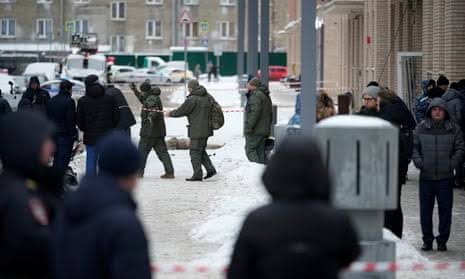
The missile strike, which occurred in August, resulted in the deaths of several individuals, and authorities in Ukraine have now identified the specific target as a Reuters staff member and their colleagues. According to Ukrainian officials, the strike was not merely an unfortunate consequence of military operations but rather a deliberate act aimed at silencing the press and intimidating journalists reporting on the war.
While Russia has not officially responded to the allegation, the Ukrainian government has presented evidence to back its claim. Ukrainian intelligence sources have reportedly gathered information suggesting that the missile strike was carried out under the orders of a senior Russian military official, specifically a general involved in the planning of military operations in the region. This has drawn condemnation from various human rights organizations, who have expressed outrage over the targeting of journalists and the dangers faced by the press in conflict zones.
Journalists working in war zones have long been vulnerable to attacks, but Ukraine’s claim adds a new layer of complexity to the issue, as it points to the targeting of the media by a high-ranking military official. The International Federation of Journalists (IFJ) has called for an independent investigation into the matter, demanding that those responsible for deliberately targeting the press be held accountable under international law.
This missile strike, along with similar incidents during the conflict, has raised significant concerns about the safety of journalists in conflict zones, where reporting has become increasingly dangerous. Reuters, the global news agency that lost staff in the attack, has condemned the strike and called for a full investigation. The agency has reaffirmed its commitment to covering the war in Ukraine and ensuring the safety of its journalists, despite the risks involved.
The accusation also brings into question the broader strategy of military operations in Ukraine, particularly with regard to the targeting of civilian infrastructure and individuals not directly involved in the conflict. Ukraine has consistently criticized Russia for its missile strikes on non-military targets, and this latest incident has fueled calls for further scrutiny of Russia’s conduct during the war. The Ukrainian government has urged international bodies to take action, calling for stronger sanctions and greater accountability for Russian military officials.
This event is part of a broader pattern of escalating violence during the ongoing war, which has seen significant casualties among civilians and non-combatants. In recent months, both sides of the conflict have faced accusations of war crimes and violations of international humanitarian law. The targeting of journalists, however, adds a new dimension to the conflict, highlighting the risks faced by the media in reporting on global crises.
As the investigation into the missile strike continues, Ukraine is pressing for further international support in holding those responsible accountable. The incident has also sparked a wider conversation about the importance of press freedom, particularly in conflict zones where journalists play a crucial role in documenting and reporting on atrocities. With the situation in Ukraine still dire, the international community’s response to this accusation will likely shape future discussions on the protection of journalists and the conduct of military operations in conflict zones.
The case has also reignited debates about the safety of journalists in war zones and the importance of ensuring their protection under international law. As global attention continues to focus on Ukraine’s ongoing war, the targeting of press personnel has become a significant issue that demands a stronger response from the international community.
“Ukraine Accuses Russian General of Deliberately Targeting Reuters Staff in August Missile Strike”
- Advertisement -
- Advertisement -
