

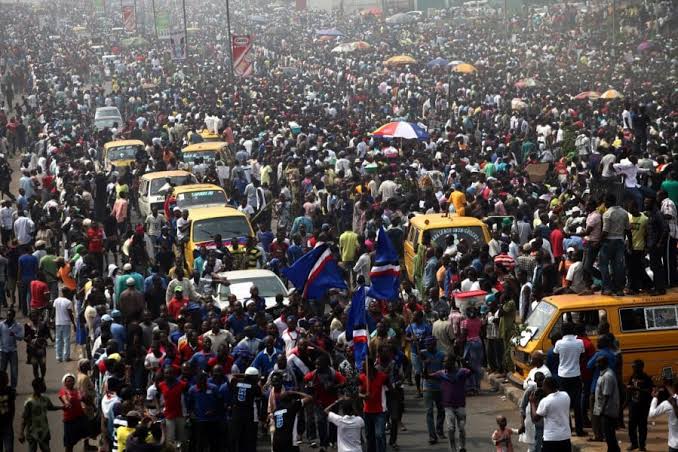
A recent report has projected that Nigeria’s population will surpass 237 million by 2025, raising significant concerns and discussions about the potential challenges this rapid growth could pose to the country’s infrastructure, resource management, and economic development. As one of the fastest-growing populations globally, Nigeria must prepare for the consequences of this surge to ensure the stability and prosperity of the nation.
The anticipated population increase is expected to place immense pressure on Nigeria’s already strained infrastructure. The country faces challenges in various sectors, including transportation, healthcare, education, and housing. With the growing population, the demand for these services will intensify, and failure to improve and expand infrastructure could lead to issues such as overcrowding, traffic congestion, inadequate housing, and diminished access to healthcare and education. To avoid these outcomes, both the Nigerian government and the private sector will need to make substantial investments in upgrading existing infrastructure and developing new systems to meet the demands of a larger population.
Furthermore, the increasing population will put significant strain on the country’s natural resources, especially food, water, and energy. Agriculture, which is a primary source of livelihood for many Nigerians, will need to adapt to meet the growing demand for food. This may involve introducing modern farming techniques, increasing food production, and improving storage and distribution systems to prevent shortages. Additionally, the demand for clean water and energy will rise, making it essential to invest in expanding water supply systems and energy generation. If these resources are not managed efficiently, Nigeria may face increased poverty, social inequality, and environmental challenges.
Economically, Nigeria’s growing population presents both opportunities and challenges. On the one hand, a larger population could contribute to a bigger workforce, leading to higher productivity and consumption. However, the country will need to create sufficient job opportunities to accommodate the influx of young people entering the labor market. Unemployment remains a significant issue in Nigeria, and with a rapidly expanding workforce, there is an urgent need for policies and initiatives to generate new employment opportunities. Diversifying the economy away from its reliance on oil exports and promoting growth in sectors such as agriculture, technology, manufacturing, and services will be essential for job creation and sustainable economic growth.
The population surge will also require significant improvements in social services. Education systems will need to expand and modernize to provide quality schooling to millions of additional students. Healthcare services will also need to grow to meet the increasing demand for medical care, with a focus on ensuring access to healthcare for all Nigerians, especially in rural areas. Without substantial investment in these sectors, Nigeria could face rising inequalities and social unrest.
At the same time, the growing population presents opportunities for innovation and economic dynamism. A larger, younger population can drive technological advancements, entrepreneurship, and greater demand for goods and services. If Nigeria can harness the energy of its youth and provide the necessary resources for education, training, and innovation, it could become a powerhouse of economic growth, particularly in industries like technology and renewable energy.
Urbanization is another key factor to consider as Nigeria’s population grows. More people are expected to move to cities in search of better economic opportunities, which will require investments in urban infrastructure, including housing, transportation, sanitation, and public services. While rapid urbanization could lead to overcrowding and the growth of informal settlements, well-planned urban development can stimulate economic activity and improve living standards in cities. Ensuring that cities are equipped to handle this influx will be essential for maintaining quality of life in urban areas.
In conclusion, Nigeria’s projected population of over 237 million by 2025 will present a range of challenges and opportunities for the country’s infrastructure, resource management, and economic development. While the growth presents significant hurdles, it also provides a chance for Nigeria to harness the potential of its young and dynamic population. To navigate these challenges effectively, the government must prioritize investments in infrastructure, social services, and economic diversification. By doing so, Nigeria can ensure that its growing population contributes to the long-term prosperity of the nation and help position the country for success on the global stage.
Projected Population Growth in Nigeria: What It Means for Infrastructure, Resources, and Economic Development
- Advertisement -
- Advertisement -
