

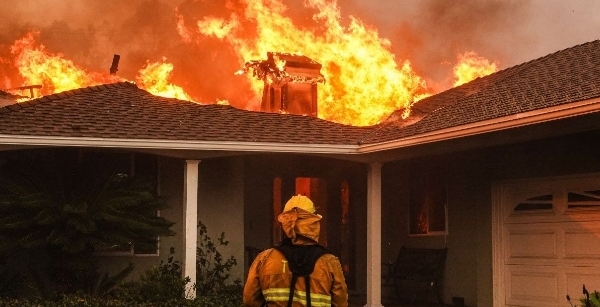
The devastating wildfires that have ravaged California have continued to burn through Los Angeles County, now entering their fifth consecutive day. As the fires rage on, the loss of life and property grows ever more tragic, with the number of confirmed fatalities rising to 11, according to the Los Angeles County Medical Examiner’s office. The official toll, though grim, continues to climb as emergency responders and firefighters work tirelessly to contain the fires and assess the full extent of the damage.
These wildfires, one of the most destructive the state has seen in recent years, have left a path of destruction in their wake. Thousands of homes, businesses, and other structures have been consumed by the relentless flames, displacing residents and causing widespread devastation. Communities that once stood proud are now reduced to ashes, and those who lived in them are left to pick up the pieces of their shattered lives. The fires have wreaked havoc not only on the physical landscape but also on the emotional and financial stability of countless families and individuals. The psychological toll is immense, as residents face the harrowing challenge of rebuilding their homes and lives from scratch.
The fires, which have been fanned by strong winds and dry conditions, have taken on a ferocity that has overwhelmed local emergency services. Despite the best efforts of firefighting teams, the scale of the disaster has made it incredibly difficult to gain control over the flames. With each passing day, the number of structures destroyed continues to rise, and emergency crews work tirelessly to protect vulnerable areas and prevent further loss of life.
In addition to the human cost of the wildfires, the financial toll is expected to be staggering. Early estimates place the total cost of the disaster between $135 billion and $150 billion. This includes the destruction of homes, businesses, and infrastructure, as well as the expenses related to firefighting efforts, evacuation operations, and recovery activities. The economic impact will be felt for years to come, as communities rebuild and attempt to recover from one of the worst natural disasters in California’s history.
Governor Gavin Newsom has vowed to support the affected communities, ordering a full investigation into the resource shortages that have hindered firefighting efforts. Despite this, many residents are questioning whether enough has been done to prevent such a disaster from occurring in the first place. The fires have raised serious concerns about the state’s preparedness and its ability to respond effectively to the growing threat of wildfires, which have become an increasingly frequent occurrence in California.
The state’s firefighting resources have been stretched thin, and local leaders have criticized the lack of coordination and support from state and federal agencies. Many residents have expressed frustration, wondering why more wasn’t done to prevent the fires from escalating to this extent. The fires have exposed vulnerabilities in the state’s disaster response infrastructure, and calls for increased funding and improvements to firefighting capabilities are growing louder.
In the wake of the fires, federal support has been pledged to assist with recovery efforts. President Joe Biden has offered resources and assistance to California, including funding for disaster relief and support for rebuilding efforts. This federal aid is vital in helping the state recover from the immense damage caused by the fires, but many believe that a long-term, comprehensive approach to wildfire prevention and disaster preparedness is needed to avoid similar situations in the future.
As the fire season becomes more unpredictable and destructive, it’s clear that California needs to invest in more robust measures to mitigate the impact of wildfires. This includes better fire management, enhanced early-warning systems, and improved coordination between state, local, and federal agencies. Additionally, there is a pressing need for more focus on climate change, which has exacerbated conditions for wildfires in the state. Drought, heat waves, and other extreme weather events have created an environment where wildfires can spread rapidly, making it harder for firefighting crews to keep up with the demand.
In the meantime, financial institutions have stepped in to provide some relief to homeowners and business owners who have been affected by the fires. Emergency loans and grants are being offered to those who have lost their homes or livelihoods, helping to ease the immediate financial burden. However, the road to recovery will be long and difficult for many, and it will take years to fully rebuild the communities that have been destroyed.
Ultimately, the California wildfires have once again highlighted the need for comprehensive and coordinated disaster preparedness and response strategies. The state must address the underlying causes of wildfires, from climate change to insufficient funding for firefighting and prevention, to ensure that future disasters can be better managed. The tragic loss of life and property serves as a reminder of the urgent need for change and a more proactive approach to safeguarding communities against the growing threat of wildfires.
“California Wildfires Devastate Los Angeles County, Leaving Destruction and Rising Costs in Their Wake”
- Advertisement -
- Advertisement -
