

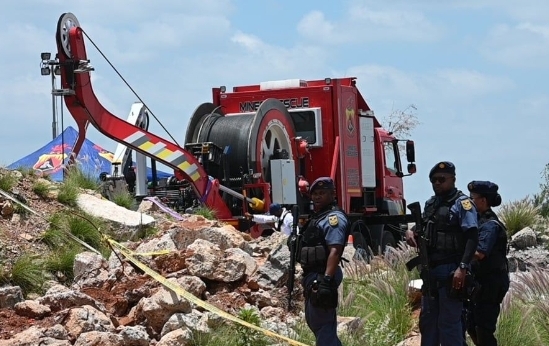
By the end of the second day of a major operation aimed at cracking down on illegal mining activities in Stilfontein, located in the North West province of South Africa, authorities had made significant strides in addressing the growing issue. More than 50 bodies were recovered from Shaft 11, a notorious site for illegal mining, while a further 106 individuals were rescued alive and arrested. The operation, which has drawn considerable attention due to the scale of the tragedy and the severity of the arrests, highlights the ongoing battle against illegal mining, a persistent and dangerous issue in various parts of South Africa.
Illegal mining, often referred to as “Zama Zama” mining, has become an increasing concern in South Africa. It involves individuals who unlawfully enter mining sites, often abandoned or operational, to extract valuable minerals such as gold. These operations are typically carried out without any regard for safety, environmental regulations, or proper mining procedures, leading to severe consequences, including fatal accidents, environmental degradation, and increased criminal activity. Stilfontein, an area rich in gold deposits, has long been a hotspot for such illegal mining activities, making it a focal point for the government’s recent crackdown.
The authorities’ operation in Stilfontein came in response to the escalating dangers associated with these illegal mining operations. In addition to the obvious hazards posed to the miners themselves, such as poor ventilation, cave-ins, and the use of unsafe tools and equipment, illegal mining has also been linked to organized crime syndicates, human trafficking, and violence. As the situation worsened, the South African government launched a coordinated effort, bringing together police forces, mining regulatory agencies, and local officials to tackle the problem head-on.
The second day of the operation marked a critical turning point. As emergency rescue teams worked tirelessly in the depths of Shaft 11, they discovered more than 50 bodies, believed to be the remains of miners who had been trapped or killed due to the unsafe conditions within the mine. The authorities confirmed that the victims were part of a large group of illegal miners who had been working in the area without proper equipment or safety measures. The discovery of these bodies has sent shockwaves through the community and underscored the inherent dangers of illegal mining, where life is often risked for minimal financial gain.
Despite the grim nature of the operation, there was a silver lining. In addition to the recovery of the bodies, a total of 106 illegal miners were rescued alive from the depths of the mine. These individuals, who had been trapped or working under hazardous conditions, were brought to safety and arrested by the authorities. The rescue operation was a success, but the arrests further highlighted the scale of the illegal mining activity in the region. The rescued miners are now facing charges related to illegal mining, and investigations are ongoing to uncover the full extent of the syndicates involved.
The operation in Stilfontein is part of a broader national effort to combat illegal mining, which has been a longstanding issue for South Africa. The country’s mining industry, once one of the largest and most profitable in the world, has been plagued by a decline in legal mining operations, leaving many unemployed and vulnerable to the lure of illegal mining. For some, illegal mining represents the only means of survival, as they risk their lives in the hope of striking it rich. However, the practice also fuels dangerous criminal networks that exploit the miners and contribute to widespread violence and instability.
The South African government has expressed its commitment to putting an end to illegal mining, but this requires a multi-faceted approach. Law enforcement efforts, such as the operation in Stilfontein, are vital in reducing the immediate threat posed by illegal mining activities. However, sustainable solutions will also require addressing the underlying socioeconomic issues that drive individuals to engage in these dangerous practices. Providing alternative livelihoods, improving job opportunities, and enforcing stricter regulations on mining practices are essential components of any long-term strategy.
In conclusion, the operation in Stilfontein has exposed both the tragic realities of illegal mining and the complexities of tackling the issue. The loss of more than 50 lives and the rescue and arrest of over 100 miners are a stark reminder of the dangers posed by this illegal industry. While the immediate response has been successful in saving lives and making arrests, the broader challenge of eradicating illegal mining remains a significant task for the South African government and law enforcement. Continued efforts are needed to protect the safety of individuals and communities, ensure the enforcement of mining laws, and address the socioeconomic factors that fuel illegal mining in the country.
“Over 50 Dead and 106 Arrested in Stilfontein During Operation Against Illegal Mining”
- Advertisement -
- Advertisement -
