

In a move designed to provide much-needed financial relief to Nigerians, Dangote Refinery has announced a reduction in the price of petrol. This announcement is expected to positively impact a nation grappling with severe economic challenges following subsidy removal and persistent inflation. The development could potentially lower transportation costs, stabilize goods pricing, and ease the burden on households and businesses.
A Crucial Intervention Amid Economic Struggles
Nigerians have faced soaring fuel prices since the government removed fuel subsidies earlier this year, leading to petrol prices tripling almost overnight. The sharp increase strained household budgets, with ripple effects seen in transportation, food prices, and other essential services. These changes intensified the economic pressure on citizens, particularly those in the lower-income brackets.
The decision by Dangote Refinery to reduce petrol prices aligns with growing demands for measures to mitigate these challenges. It also reinforces the role of the private sector in addressing national economic issues.
The Strategic Role of Dangote Refinery
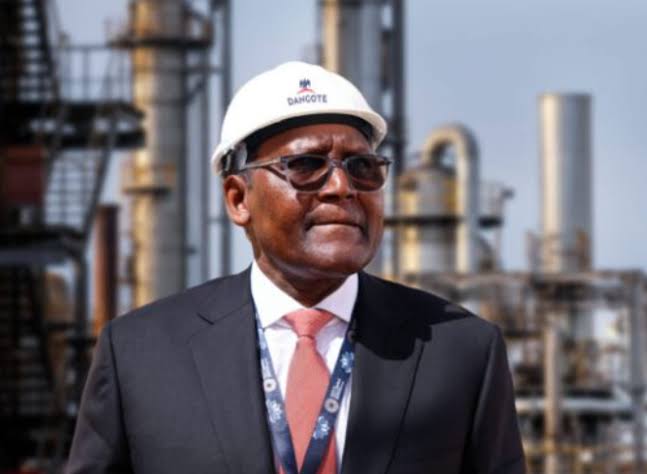
Located in the Lekki Free Trade Zone, Lagos, the Dangote Refinery is the largest privately-owned refinery in Africa. With a production capacity designed to meet Nigeria’s domestic fuel needs and export demands, the refinery plays a pivotal role in the country’s energy landscape.
Historically, Nigeria has been heavily dependent on imported fuel despite being one of the largest crude oil producers. This dependency often left the country vulnerable to fluctuations in global oil prices. The Dangote Refinery aims to change this narrative by refining crude oil locally, ensuring a stable and affordable supply of petrol and other petroleum products.
The recent price reduction reflects the refinery’s ability to influence market trends positively while catering to the needs of ordinary Nigerians. The move demonstrates the refinery’s commitment to balancing profitability with its role in national economic stability.
Economic Implications of the Price Reduction
The reduction in petrol prices is anticipated to yield far-reaching benefits across various sectors of the economy. Lower fuel costs are expected to reduce transportation expenses, which will likely stabilize or lower the cost of goods and services, especially in agriculture and manufacturing.
For small and medium enterprises (SMEs), which form the backbone of Nigeria’s economy, reduced operational costs could enhance profitability and encourage growth. Additionally, lower fuel prices could moderate inflation, allowing households to stretch their incomes further.
Experts suggest that this development could foster improved consumer confidence, driving economic activity. It also underscores the potential benefits of domestic fuel production, particularly during periods of global market volatility.
Challenges in Implementation
While the announcement has been widely welcomed, challenges remain. Past experiences suggest that such price reductions do not always translate into uniform benefits for all Nigerians. Regional price disparities and inefficiencies in distribution networks could dilute the impact of this development.
Regulatory bodies such as the Nigerian Midstream and Downstream Petroleum Regulatory Authority (NMDPRA) must ensure compliance among independent marketers to prevent price manipulation. Additionally, consistent fuel supply will be critical to avoiding shortages that could disrupt the market.
A Sign of Hope
The Dangote Refinery’s decision represents a step forward in addressing Nigeria’s fuel crisis and economic challenges. While the price reduction alone will not resolve the broader economic issues facing the nation, it serves as a beacon of hope for millions.
This initiative underscores the importance of strategic interventions in the energy sector and highlights the role of private enterprises in driving economic recovery.
Conclusion
As Nigerians await the implementation of the new pricing, the Dangote Refinery’s move underscores the potential for the private sector to make meaningful contributions to national development. Although challenges persist, this decision marks a positive step in the quest for economic stability and affordable energy solutions.
“Fuel Price Adjustment: Dangote Refinery Announces Petrol Price Reduction to Alleviate Economic Burden”
- Advertisement -
- Advertisement -
