

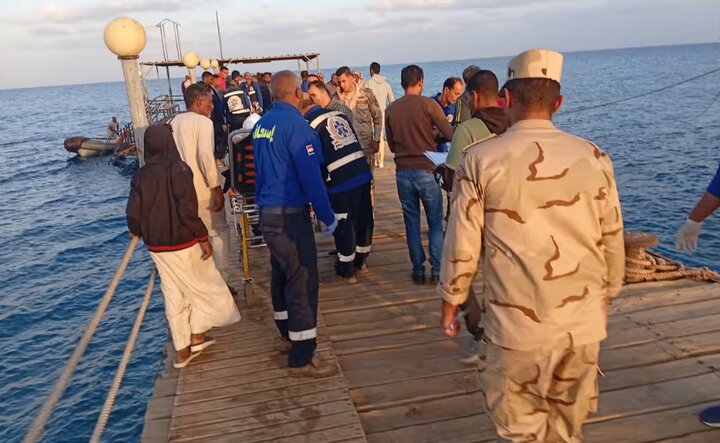
A tourist boat sinking in the Red Sea has resulted in the rescue of five survivors, drawing attention to ongoing issues surrounding maritime safety. While the swift response of rescue teams prevented a greater tragedy, the incident raises significant questions about safety measures for vessels operating in such high-traffic and tourist-heavy waters.
The circumstances leading to the sinking remain under investigation, but initial reports point to possible flaws in the vessel’s maintenance or adherence to safety regulations. This tragedy underscores the risks associated with maritime tourism, where rapid growth often challenges the enforcement of safety protocols. Ensuring passenger safety requires not just robust regulations but also their consistent application, something this incident starkly highlights.
Emergency responders acted quickly to save the five individuals aboard the ill-fated vessel. Their efforts have been widely praised, but the event has sparked concerns over the adequacy of onboard emergency measures, including the availability of life jackets, lifeboats, and properly trained crew. Such resources are essential to mitigating risks, particularly in regions with dense maritime activity like the Red Sea.
The Red Sea is a globally renowned destination, attracting tourists for its clear waters and vibrant marine ecosystems. However, its popularity also increases the number of vessels in operation, amplifying the importance of rigorous safety checks. Experts have long warned of the dangers posed by neglecting safety protocols, and this incident adds to a growing list of reminders about the need for greater vigilance.
While international maritime safety standards exist, their enforcement varies widely across regions and operators. Some vessels may evade proper inspections or fail to meet guidelines due to financial constraints or weak oversight. This case highlights the pressing need for stronger, consistent monitoring and penalties for non-compliance to ensure the safety of passengers and crew alike.
For the survivors, the ordeal marks both a frightening experience and a miraculous escape. The physical and emotional trauma of such an event cannot be overlooked, and authorities will likely rely on their accounts to piece together what went wrong. These firsthand testimonies could play a critical role in shaping future safety improvements.
The incident has reignited calls for enhanced safety measures across the tourism sector in the Red Sea region. Governments, maritime authorities, and tourism operators must collaborate to implement stricter inspection regimes, ensure adequate training for crews, and improve emergency preparedness aboard all vessels. Passengers, too, should be made more aware of their rights and safety procedures through public education campaigns.
While the natural beauty of the Red Sea remains a major draw for global tourists, this incident highlights the delicate balance between promoting tourism and ensuring safety. Strengthening safety standards is not just about compliance; it is key to protecting lives and preserving the region’s reputation as a premier destination.
The successful rescue of the five survivors is a moment of relief amid a tragic event, but the sinking stands as a sobering reminder of the dangers that can arise from lapses in maritime safety. As investigations continue, it is crucial to learn from this tragedy and prioritize improvements that can prevent future incidents. Ensuring the safety of all who travel on the water is a shared responsibility and an urgent priority.
- Advertisement -
- Advertisement -
