

The ongoing conflict between Russia and Ukraine has now exceeded 1,000 days, marking a grim milestone in a war that has brought immense military, humanitarian, and geopolitical consequences. The prolonged fighting has reshaped the region, with far-reaching implications for millions of people, the global economy, and international relations.
A War Without Resolution
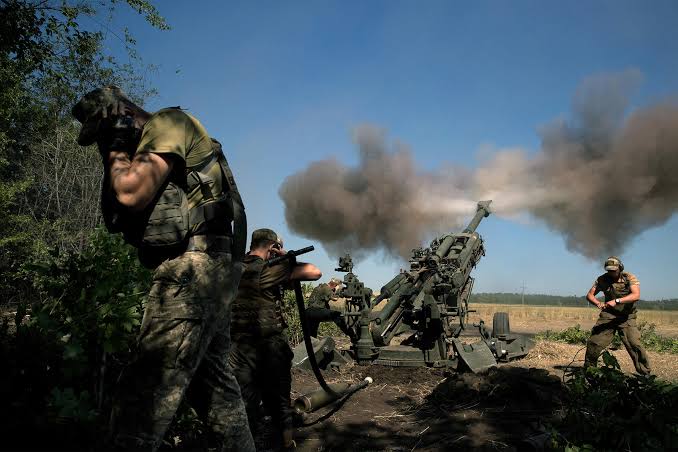
The war began in February 2022 when Russia launched a full-scale invasion of Ukraine, escalating tensions that had simmered since 2014. What was initially anticipated to be a brief campaign has turned into a protracted and brutal conflict. Both sides have suffered heavy military casualties, with frontline battles characterized by relentless artillery exchanges, drone warfare, and large-scale offensives. Despite significant territorial gains and losses over the course of the war, neither side has achieved a decisive victory, and the conflict remains at a deadly stalemate.
Humanitarian Catastrophe
The humanitarian toll of the war is staggering. Millions of Ukrainians have been displaced, with many seeking refuge in neighboring European countries, while others remain internally displaced within Ukraine. Entire cities and towns have been reduced to rubble, leaving residents without homes, access to clean water, or electricity. The destruction of critical infrastructure, including hospitals, schools, and power plants, has exacerbated the suffering of civilians, particularly during harsh winters.
International aid organizations continue to provide vital assistance, but the scale of the crisis has strained resources. Food insecurity, inadequate medical supplies, and psychological trauma have become persistent challenges for those affected by the war. Reports of human rights violations, including the targeting of civilians and forced deportations, have further underscored the devastating impact on Ukraine’s population.
Economic and Geopolitical Fallout
The conflict has also had far-reaching economic consequences, not just for Ukraine and Russia but for the global economy. Ukraine, once a major agricultural exporter, has struggled to maintain its role as a breadbasket for the world. Disruptions to grain shipments and the destruction of farmland have contributed to global food shortages, particularly affecting countries in the Middle East and Africa.
Sanctions imposed on Russia by Western nations have aimed to weaken its economy and military capabilities, but they have also caused disruptions to global energy markets. Europe’s reliance on Russian gas has led to a reevaluation of energy policies, with many nations accelerating their shift toward renewable energy sources and alternative suppliers. However, rising energy prices have placed economic pressure on households and businesses worldwide.
The Role of International Allies
Throughout the conflict, Ukraine has received substantial support from its Western allies, including financial aid, military equipment, and intelligence assistance. The United States, European Union, and NATO countries have played a crucial role in bolstering Ukraine’s defenses, enabling it to resist and counter Russian advances. However, the increasing militarization of the conflict has raised concerns about escalation and the risk of drawing other nations into the war.
For Russia, its actions have led to growing isolation on the global stage. While it continues to maintain alliances with countries like China, Iran, and North Korea, its strained relations with the West have reshaped the geopolitical landscape. The conflict has also fueled internal dissent within Russia, with reports of growing dissatisfaction over the war’s toll on the economy and military morale.
The Path Forward
After more than 1,000 days of warfare, the prospects for peace remain uncertain. Attempts at diplomatic negotiations have repeatedly stalled, with both sides holding firm to their demands. Ukraine insists on the complete withdrawal of Russian forces and the restoration of its territorial sovereignty, while Russia shows little willingness to relinquish control over occupied areas.
The war’s continuation underscores the need for sustained international efforts to mediate a resolution. However, any lasting peace will require addressing the deep political, historical, and security issues that underpin the conflict. Until then, the suffering and instability caused by the war are likely to persist.
A Grim Legacy
As the conflict surpasses the 1,000-day mark, its legacy is already profound. The war has reshaped Ukraine, strengthened NATO’s resolve, and highlighted the devastating cost of unresolved geopolitical tensions. For those living through its horrors, the hope for peace remains distant but essential. With no end in sight, the world watches as this devastating chapter of history continues to unfold.
Russia-Ukraine Conflict: Over 1,000 Days of War and Its Far-Reaching Consequences
- Advertisement -
- Advertisement -
