

Nigeria has once again been plunged into darkness following a nationwide power outage caused by the collapse of its national electricity grid. This recurring issue has intensified public worries about the reliability of the country’s power infrastructure and its adverse effects on the daily lives of millions of citizens.
E
Nigeria experienced a nationwide blackout recently, marking yet another instance of the collapse of its national power grid. This event has thrown the entire country into disarray, sparking renewed concerns about the fragility of its electricity infrastructure and the severe disruptions such incidents bring to daily life, businesses, and the overall economy.
The collapse of the national grid is not a new phenomenon in Nigeria. Over the years, the country has struggled with maintaining a stable and efficient power supply, despite being one of Africa’s largest economies. The frequent grid collapses have become symbolic of the broader issues plaguing Nigeria’s energy sector, including aging infrastructure, inadequate investment, and poor maintenance practices.
This latest outage affected homes, businesses, and essential services across the country. Hospitals were forced to rely on generators to power critical medical equipment, businesses faced significant losses due to halted operations, and countless individuals were left without light, cooling, or other basic amenities. The sudden power failure underscored the challenges faced by ordinary Nigerians, many of whom already endure long hours of electricity rationing even under normal conditions.
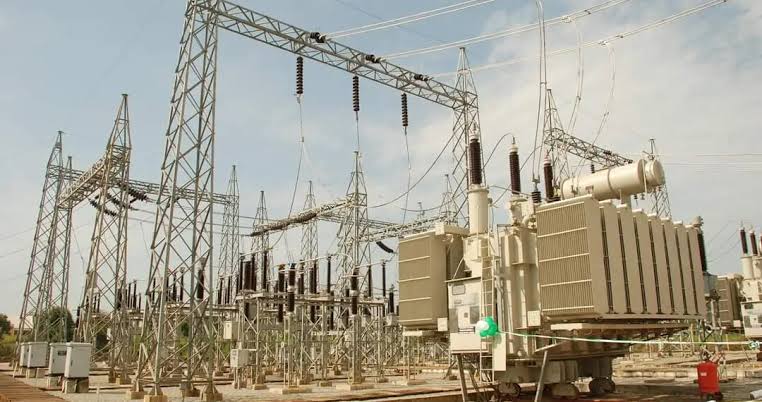
The national grid in Nigeria operates as a centralized system, distributing electricity generated from power plants to various parts of the country. However, the system is highly vulnerable to faults, with minor disruptions often leading to widespread outages. Experts have pointed out that the grid’s outdated design and limited capacity are major factors contributing to its frequent breakdowns. Additionally, the lack of routine maintenance and the scarcity of modern technology have further compounded the issue.
The implications of a national blackout are far-reaching. For businesses, particularly small and medium enterprises (SMEs), the lack of electricity can result in significant financial losses. Manufacturing plants, for instance, depend heavily on a consistent power supply to keep production lines running. When the grid fails, they are forced to rely on costly alternatives like diesel generators, which increases operational costs and reduces profitability.
Beyond the economic implications, the blackout also highlights the impact on social and personal well-being. For students, the inability to access electricity means studying by candlelight or postponing essential academic tasks. Families are often left in discomfort, especially during hot weather, as fans and air-conditioning units stop functioning. Moreover, the security risks associated with prolonged darkness in urban and rural areas cannot be overstated, with increased vulnerability to crimes such as theft and vandalism.
In response to the persistent grid collapses, stakeholders and policymakers have called for urgent reforms in Nigeria’s energy sector. There is a growing consensus that the country must diversify its energy sources and reduce its overreliance on the centralized national grid. Renewable energy, including solar and wind power, has been identified as a viable alternative to supplement the existing system and enhance its resilience. Additionally, decentralizing power generation through regional grids could mitigate the impact of failures in one part of the system.
The Nigerian government has announced various initiatives aimed at addressing these challenges, including partnerships with private investors to boost capacity and modernize infrastructure. However, progress has been slow, and many citizens remain skeptical about the government’s ability to deliver on its promises. Transparency, accountability, and effective implementation of policies will be crucial in ensuring long-term improvements in the energy sector.
Ultimately, the nationwide blackout serves as a wake-up call for Nigeria to prioritize the overhaul of its power infrastructure. The consequences of neglecting this critical sector are dire, ranging from economic stagnation to diminished quality of life for millions of citizens. While the road to stable electricity may be fraught with challenges, investing in sustainable and reliable power solutions is essential for the country’s development and prosperity.
By addressing the root causes of grid collapses and embracing innovative solutions, Nigeria can pave the way for a brighter and more sustainable future for its people.
“Nigeria Faces Nationwide Blackout: Challenges in Power Infrastructure Highlighted”
- Advertisement -
- Advertisement -
