

The Nigerian government has launched an ambitious operation, Operation Delta Sanity (OPDS), to address the rampant problem of oil theft in the Niger Delta. This initiative is not just a security response but a comprehensive strategy aimed at revitalizing Nigeria’s oil sector, safeguarding the environment, and securing the livelihoods of communities in the region. With the goal of increasing crude oil production to 3 million barrels per day (bpd) by 2025, OPDS reflects Nigeria’s commitment to tackling economic sabotage and unlocking the full potential of its petroleum resources.
The Impact of Oil Theft
Oil theft in Nigeria is a long-standing issue that has inflicted severe economic and environmental damage. Organized syndicates, illegal refineries, and widespread pipeline vandalism have resulted in significant revenue losses for the government—billions of dollars annually. These activities have undermined Nigeria’s ability to meet its oil production quotas set by the Organization of the Petroleum Exporting Countries (OPEC), weakened foreign investor confidence, and strained the country’s fiscal stability.
The environmental consequences are equally devastating. Frequent oil spills caused by theft and sabotage have polluted the region’s waterways, destroyed farmlands, and led to health crises in affected communities. For the people of the Niger Delta, whose livelihoods are closely tied to agriculture and fishing, these impacts have been catastrophic, fueling poverty and resentment.
Operation Delta Sanity: A Comprehensive Approach
To address these challenges, the federal government has rolled out Operation Delta Sanity, a multi-faceted strategy that combines technology, intelligence, and enhanced security to dismantle oil theft networks and restore order in the region.
Leveraging Technology for Surveillance
A key feature of OPDS is the deployment of advanced technology to monitor and secure oil infrastructure. The use of armed drones and attack helicopters for aerial surveillance provides a new level of oversight in the region, allowing authorities to detect and respond swiftly to illegal activities.
These tools enable the government to cover vast and often inaccessible areas, making it harder for criminal groups to operate undetected. This marks a significant shift toward a modernized and proactive approach to combating oil theft.
Intelligence-Driven Solutions
Operation Delta Sanity also prioritizes intelligence gathering to dismantle the criminal networks behind oil theft. The government is enhancing collaboration with local communities, law enforcement agencies, and international partners to identify key players, track financial flows, and map the supply chains that sustain these operations.
By targeting the root of the problem, this intelligence-led approach aims to disrupt the entire ecosystem of oil theft. It also seeks to ensure that offenders face prosecution, setting a strong precedent and deterring future illegal activities.
Strengthening Security in the Niger Delta
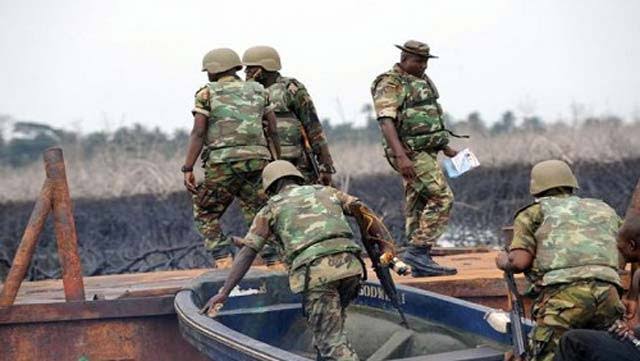
In addition to technological and intelligence measures, the government is bolstering its physical security presence in the region. Additional troops, armed with the latest equipment, have been deployed to protect critical oil infrastructure such as pipelines, export terminals, and refineries.
This increased security presence aims to prevent sabotage, minimize oil spills, and protect workers in the industry. It also sends a clear message to criminal groups that illegal activities will no longer be tolerated.
Economic and Environmental Benefits
The successful implementation of Operation Delta Sanity has the potential to transform Nigeria’s oil sector and the broader economy. Achieving the target of 3 million bpd by 2025 would significantly boost government revenue, providing much-needed funds for public services such as healthcare, education, and infrastructure development.
Environmental restoration is another key benefit. Curbing oil theft and illegal refining will reduce pollution and allow ecosystems in the Niger Delta to recover. This will improve the quality of life for local communities and create opportunities for sustainable economic activities, such as agriculture and tourism.
Addressing the Root Causes
While OPDS is a crucial step forward, it is only part of the solution. The root causes of oil theft—poverty, unemployment, and a lack of infrastructure—must also be addressed. Investments in education and job creation will provide alternatives for individuals who might otherwise turn to illegal activities.
The government must also prioritize the development of basic amenities such as healthcare, clean water, and electricity in the Niger Delta. By improving the living conditions of its people, the region can be stabilized, reducing the appeal of criminal enterprises.
Conclusion
Operation Delta Sanity is a bold and necessary initiative that has the potential to reshape Nigeria’s oil sector and bring lasting change to the Niger Delta. By combining technology, intelligence, and security, the operation aims to tackle oil theft at its core and restore confidence in Nigeria’s ability to manage its natural resources.
However, the success of this initiative will depend on its integration with broader development efforts. Only by addressing the systemic issues that drive oil theft can Nigeria achieve lasting progress. Operation Delta Sanity is not just a fight against economic sabotage—it is a pathway to economic revitalization, environmental restoration, and a better future for the Niger Delta and the entire nation.
Nigeria’s Bold Initiative to Combat Oil Theft and Revive the Niger Delta. Operation Delta Sanity
- Advertisement -
- Advertisement -
