

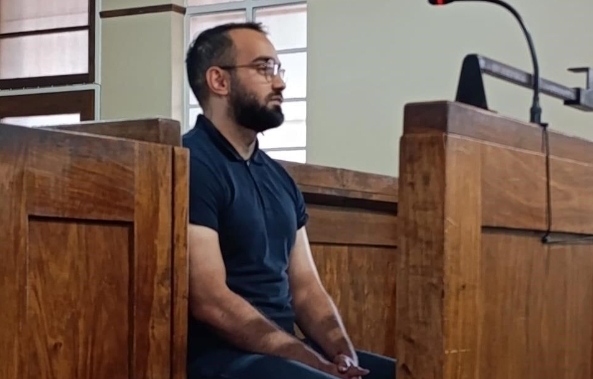
A man from Sandton, South Africa, is currently facing serious charges, accused of funding a terrorist organization. Among the evidence discovered on his electronic devices were materials linked to violent extremism, including videos, images, articles, and speeches by Osama bin Laden, one of the most notorious figures associated with al-Qaeda. This discovery has led to heightened concerns about the potential risks posed by individuals involved in financing or supporting terrorist activities, especially in a world where digital content is so easily accessible and spread.
The authorities, in their investigation, found disturbing evidence that paints a picture of someone who may have been actively involved in promoting extremist ideologies. The presence of extremist materials on the man’s devices, including iconic and highly influential content from al-Qaeda’s former leader Osama bin Laden, raises alarms about the individual’s potential connection to groups that use violence and terror to further their goals. Bin Laden’s speeches and writings have historically been known to inspire and recruit followers to the radical cause of jihadist terrorism, particularly with his vocal support for attacks against Western nations and their allies.
This case reflects a broader trend in which digital platforms, once seen primarily as tools for communication, have become significant vehicles for the distribution of extremist content. Over the past few decades, the internet has enabled terrorist organizations to spread their message to a global audience, bypassing traditional media filters. Radical groups such as al-Qaeda, ISIS, and others have used online resources to recruit, indoctrinate, and incite violence among vulnerable individuals, making it harder for authorities to track and control the spread of these dangerous ideologies. The presence of bin Laden’s speeches and writings on the suspect’s devices suggests that these materials may have been used as a tool for both ideological indoctrination and operational planning.
In the context of this case, it is important to recognize the role that funding plays in sustaining terrorist organizations. Financial support, whether through donations, investments, or other forms of backing, is crucial for enabling such groups to carry out their operations, maintain infrastructure, and recruit new members. By allegedly funding a terrorist organization, the man from Sandton may have been providing critical resources that allowed violent extremism to persist, potentially facilitating violent attacks. The flow of money into these groups often goes unnoticed until authorities are able to track down its sources, making financial monitoring and investigation a key component in counterterrorism efforts.
This case also highlights the evolving nature of counterterrorism efforts, particularly in the digital age. Law enforcement agencies and intelligence services worldwide are now tasked with monitoring digital communications and tracking online activities to prevent radicalization and the spread of extremist propaganda. Investigators are increasingly turning to cybersecurity measures, data mining, and social media surveillance to identify individuals and groups involved in terrorist activities. However, the sheer volume of data generated online presents significant challenges, requiring significant resources and coordination between agencies. In this instance, the discovery of extremist materials on the man’s devices likely stemmed from such digital investigations, which are now becoming standard procedure in counterterrorism work.
The legal consequences for individuals found in possession of violent extremist materials are severe. Many countries, including South Africa, have strict laws that prohibit the distribution, possession, or promotion of terrorist content. These laws are designed to prevent the radicalization of individuals and curb the influence of violent ideologies. In this particular case, the man could face serious criminal charges, including supporting a terrorist organization, possessing and distributing extremist content, and facilitating terrorism through financial means. The penalties for such crimes are often harsh, reflecting the global consensus on the importance of preventing terrorism and the need for stringent measures to deter individuals from engaging in such activities.
As the investigation continues, the case serves as a reminder of the significant challenges faced by law enforcement agencies in combating terrorism. The digital age has not only transformed the way terrorist organizations operate but also how they are countered. It is a constant battle to stay one step ahead of those who seek to exploit technology for violent ends, and this case is a testament to the ongoing efforts required to safeguard national security and combat the spread of extremist ideologies. The outcome of this case will likely have far-reaching implications for how terrorism-related offenses are prosecuted and how authorities continue to tackle the digital spread of extremist content.
“Sandton Man Arrested for Allegedly Funding Terrorism and Possessing Extremist Material Linked to Osama bin Laden”
- Advertisement -
- Advertisement -
