

Amid the widespread destruction caused by the recent wildfires in Los Angeles County, residents are expressing growing frustration and concern over how their tax dollars are being used. Kristian Fors, a Los Angeles County resident and a research fellow at the California-based Independent Institute, has become a vocal figure in highlighting the public’s discontent. Fors points out that many local residents are questioning the effectiveness of their tax contributions as local officials struggle to manage the devastating fires that have been exacerbated by strong winds. With the fires continuing to rage, the community’s frustration with government responses is becoming more evident.
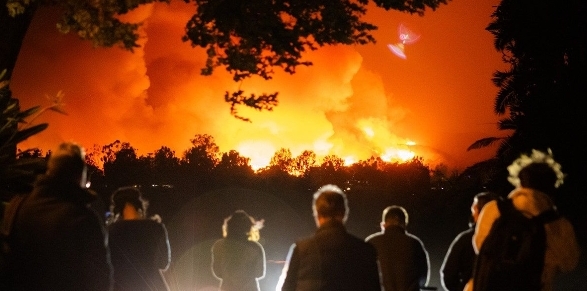
The wildfires that have swept through the region are among the most catastrophic in California’s history, with wide-ranging impacts on both the environment and local communities. As of the latest reports, more than 24 people have tragically lost their lives, and over 12,000 homes and structures have been destroyed by the raging flames. In addition to the tremendous loss of property, thousands of residents have been displaced, forcing mass evacuations in affected areas. Emergency services are overwhelmed by the scale of the disaster, and firefighting efforts continue as communities struggle to recover. The widespread devastation has ignited questions about whether the government has adequately prepared for such a catastrophic event, despite the considerable tax dollars collected for disaster prevention and response.
Kristian Fors has specifically highlighted the concerns of local residents, who are increasingly asking how their tax dollars are being allocated. According to Fors, many people are frustrated by the lack of preparedness for such an event, with some residents directly questioning, “What did all those tax dollars go for?” This sentiment has become a common refrain across the community, as citizens struggle to reconcile the devastating effects of the wildfires with the belief that significant financial resources have been dedicated to fire prevention and emergency services. The ongoing wildfire crisis has sparked a broader discussion about the mismanagement of resources and whether the government has properly allocated funding to adequately address the region’s vulnerabilities to such disasters.
The public outcry is not solely based on the immediate consequences of the fires, but also on the government’s budgetary decisions in the months leading up to the disaster. In June, just a few months before the fires broke out, California Governor Gavin Newsom made the decision to cut the state’s firefighting budget by $101 million, reducing it to $2.6 billion. At the same time, however, Newsom’s administration committed to an ambitious $14.7 billion investment in clean-energy projects, including a shift toward zero-emission vehicles. Critics of the budget cuts argue that this decision was made at the expense of crucial firefighting resources, ultimately leaving California unprepared for the devastating wildfire season that would soon follow. Additionally, $100 billion was earmarked for future climate initiatives, raising concerns among residents about the priorities of state leaders in the face of the immediate and pressing issue of wildfire prevention and firefighting efforts.
This juxtaposition of reduced funding for fire prevention and the prioritization of climate initiatives has led to increasing calls for accountability. Fors and other critics argue that the current budgetary decisions reveal a lack of proper focus on immediate emergency response and fire prevention infrastructure. They contend that while the long-term focus on climate change is important, it should not come at the expense of adequately preparing for and addressing disasters like wildfires, which continue to plague the state. Public trust in the government is eroding as residents see the state’s priorities shifting toward long-term projects while leaving their communities vulnerable to the immediate threat of wildfires.
As the recovery process continues and the wildfires eventually come under control, residents, experts, and policy advocates are calling for a reevaluation of how tax dollars are being spent. There is an urgent need for transparency in how government funds are allocated and used for disaster prevention, preparedness, and response. Many believe that state and local governments should reallocate resources to strengthen fire prevention programs, improve emergency response capabilities, and ensure that communities are equipped to handle the destructive forces of nature. The public demands clarity about how their tax dollars are being used and whether sufficient resources are being dedicated to the protection of lives and property in fire-prone areas.
In conclusion, the devastating wildfires in Los Angeles County have not only resulted in immense loss and suffering for residents but have also ignited important discussions about the allocation of tax dollars and the priorities of state and local governments. Kristian Fors’s remarks highlight the frustration and concern felt by many residents who are questioning the effectiveness of government spending in light of the ongoing disaster. As California grapples with the aftermath of the wildfires, it is clear that there is a need for greater transparency, accountability, and rethinking of resource allocation to ensure that future disasters are met with a more effective and well-funded response. Addressing these concerns is crucial for restoring public trust and ensuring that taxpayers’ contributions are directed toward meaningful and impactful services that prioritize disaster prevention and community safety.
“Los Angeles Residents Question Tax Dollar Allocation as Wildfires Devastate the Region”
- Advertisement -
- Advertisement -
