

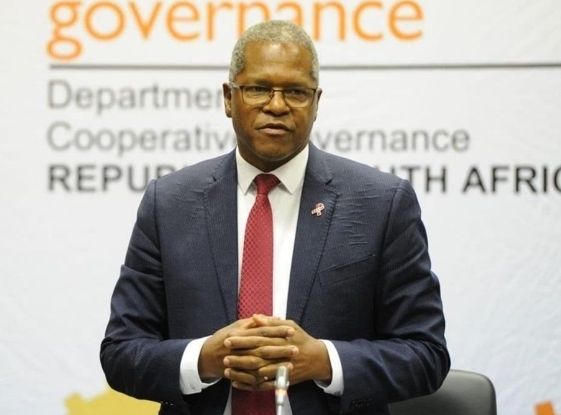
In response to the tragic loss of 28 lives during the summer initiation season in the Eastern Cape, Minister of Cooperative Governance and Traditional Affairs, Velenkosini Hlabisa, has called for immediate action to address the crisis. The minister has requested two government commissions to conduct thorough investigations into the deaths, aiming to uncover the causes and propose meaningful reforms to prevent such tragedies in the future. This somber incident has once again drawn national attention to the challenges and risks associated with traditional initiation practices, particularly in regions where cultural rites are deeply embedded in community life.
The initiation season, an important cultural period in many South African communities, is a time when young boys undergo rites of passage to transition into adulthood. These ceremonies, steeped in tradition, often include circumcision and various teachings about cultural values, identity, and responsibility. While the practice holds significant cultural importance, it has also been plagued by recurring safety concerns, particularly in the Eastern Cape. Every year, reports emerge of young initiates succumbing to complications such as infections, dehydration, hypothermia, and even abuse at initiation schools.
The alarming death toll this season has prompted Minister Hlabisa to seek urgent intervention. By engaging two government commissions, the aim is to thoroughly investigate the root causes of these fatalities and provide actionable recommendations. The investigations will likely examine the operations of initiation schools, the qualifications of those overseeing the ceremonies, and compliance with safety regulations. Additionally, the commissions are expected to assess the adequacy of government oversight and support for initiation practices in the province.
Minister Hlabisa emphasized that while the cultural significance of initiation rituals must be respected, the safety and well-being of initiates cannot be compromised. “These deaths are a stark reminder that more must be done to ensure that traditional practices are conducted in a manner that prioritizes the lives and health of our young people,” he said. He also expressed condolences to the families of the deceased and reaffirmed his commitment to working with traditional leaders, community stakeholders, and government agencies to bring about sustainable change.
The Eastern Cape has long been a hotspot for initiation-related fatalities, with the province recording some of the highest numbers of deaths annually. Despite ongoing efforts to regulate and monitor initiation practices, challenges persist. Unauthorized initiation schools, unqualified practitioners, and inadequate health interventions have been cited as contributing factors. Moreover, social stigma and fear of cultural ostracization often prevent families and communities from reporting unsafe practices or intervening when issues arise.
Stakeholders across various sectors have echoed the call for reform. Traditional leaders have a crucial role to play in ensuring that initiation schools within their jurisdictions adhere to established guidelines. Similarly, government departments must enhance their collaboration with local authorities to ensure effective regulation, monitoring, and enforcement. Civil society organizations and health professionals also have a part to play in raising awareness, providing education, and supporting communities in adopting safer practices.
The government’s commitment to reform is not new, but the recurring fatalities highlight the need for more decisive and coordinated action. Past initiatives, such as health education campaigns and partnerships with traditional leaders, have had some impact but have not been sufficient to eliminate the risks. The investigation led by the two commissions will need to address systemic issues and propose long-term solutions that balance cultural preservation with modern safety standards.
In conclusion, the deaths of 28 young initiates in the Eastern Cape serve as a stark reminder of the urgent need for reform in the way traditional initiation practices are conducted. Minister Velenkosini Hlabisa’s call for investigations is a critical step toward understanding the root causes of these tragedies and ensuring that such incidents do not recur. As the government, traditional leaders, and communities work together to find solutions, the ultimate goal must be to preserve cultural heritage while safeguarding the lives and dignity of all initiates. Only through a collective effort can South Africa achieve this delicate balance.
“Minister Hlabisa Calls for Urgent Reforms After 28 Initiates Die in Eastern Cape Rites”
- Advertisement -
- Advertisement -
